Affordable garden maintenance near East Finchley tube N2

If your garden near East Finchley tube is getting harder to keep on top of, you are not alone. London gardens can be small but surprisingly demanding: one week the lawn needs cutting, the next the hedge has gone wild, and before long the patio looks tired and the weeds are acting like they pay rent. Affordable garden maintenance near East Finchley tube N2 is about getting reliable help without overspending, while keeping the space healthy, tidy, and usable all year round.
This guide breaks down what affordable maintenance actually means, how local gardeners usually structure work, where the real value comes from, and how to avoid paying twice for the same job. You will also find practical steps, a comparison table, a checklist, and a few local-friendly tips that make decision-making much easier. If you are weighing up one-off help versus routine care, this should give you a clear, grounded way forward.
Why Affordable garden maintenance near East Finchley tube N2 Matters
A garden does not become expensive only when you redesign it. Often, the cost creeps in quietly: missed pruning leads to bigger cutting jobs later; lawn neglect turns into patch repairs; and a few weeks of weeds can become a much longer afternoon with a fork, a trug, and a sigh. That is why affordable maintenance matters. It helps you keep the job small enough to stay manageable.
For people living close to East Finchley tube, convenience matters too. Commuting schedules, school runs, and work-from-home routines can make regular garden care slip down the list. A local maintenance plan can fit around those realities, so the garden does not become a weekend burden. In practice, that means you can enjoy the space without constantly thinking, Oh no, I really must deal with that border.
There is also a value angle people sometimes miss. A well-kept garden can make a property feel calmer and more cared for, even when the design itself is simple. A tidy hedge, a healthy lawn, and weed-free edges do more than improve appearance. They reduce bigger issues later on, especially in shaded or windy spots where neglected growth tends to snowball.
If you want a broader starting point on regular upkeep, the main garden maintenance page is a useful place to compare the sort of work usually included in routine care.
How Affordable garden maintenance near East Finchley tube N2 Works
Affordable garden maintenance is usually built around consistency rather than dramatic one-off work. A gardener will first look at the size of the space, how fast it grows, and what is actually causing the mess. That assessment matters more than people think. A modest front garden with hedges may need a very different approach from a larger back garden with lawn, borders, and a patio that collects grime.
Most services are then structured in one of three ways: regular visits, seasonal tidy-ups, or a one-off reset followed by lighter upkeep. Regular visits are generally the best way to keep costs predictable. Seasonal work is useful if your garden changes a lot through the year. And a one-off reset helps if the space has been left alone for a while and needs to be brought back under control first.
To be fair, affordability is not just about the price per visit. It is also about whether the work is planned sensibly. For example, pairing lawn care with hedge trimming can save time compared with booking separate jobs. Likewise, sorting weeds before they seed, or trimming growth before it blocks paths, reduces future labour. It sounds obvious, but these little efficiencies are where the real savings often sit.
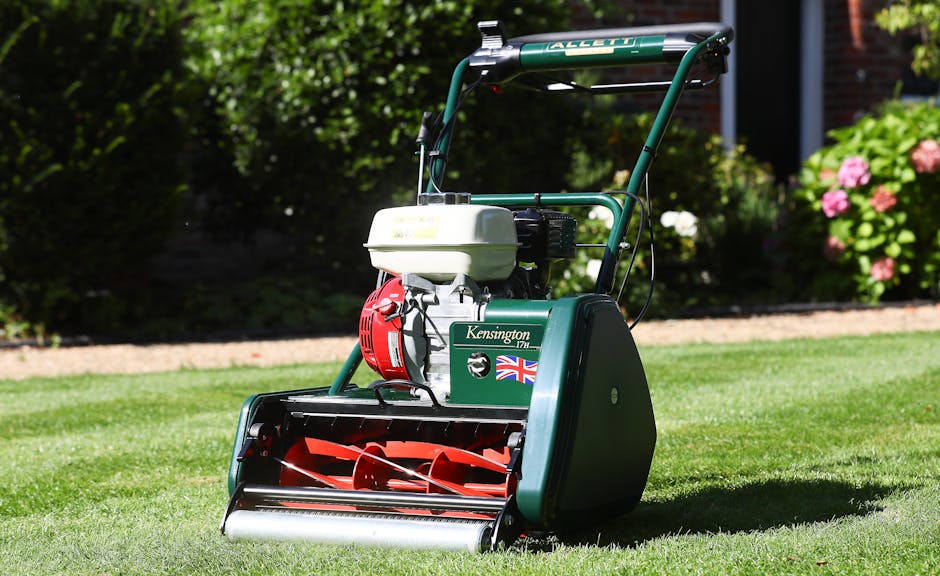
If your garden mainly struggles with the grass, it can help to look at a more focused approach like lawn mowing in East Finchley or a broader lawn care plan, depending on whether the issue is appearance or actual turf health.
For taller growth, boundary lines, or privacy screening, a dedicated trimming visit can be the smarter option. You can also read more about local hedge care via hedge trimming in East Finchley if your garden edges are where the work tends to pile up.
Key Benefits and Practical Advantages
The obvious benefit is a nicer-looking garden, but the practical gains go further than that. Affordable maintenance helps you stay ahead of plant health, safety, and usability. A garden that is easier to walk through, easier to sit in, and easier to enjoy is usually a garden that gets used more often. Funny how that works.
- Lower long-term cost: small jobs handled regularly are often cheaper than neglected, heavy interventions later.
- Less stress: you do not have to face a full weekend of pruning and clearing.
- Better plant health: borders, shrubs, and lawns respond better when they are maintained before they become overgrown or compacted.
- Improved safety: tidy paths, cleared steps, and controlled growth reduce trip hazards.
- Better seasonal resilience: a garden that is prepared for wind, frost, or wet weather is less likely to suffer avoidable damage.
- More usable space: if you can actually sit out there, the garden starts earning its keep.
There is another advantage that is easy to overlook: good maintenance lets you spot problems early. Diseased branches, failing supports, bad drainage, and spreading weeds are easier to address when caught in time. That early action is where a sensible budget often stretches further.
For people dealing with neglected corners, it may also be worth reading starting a garden makeover with neglected spaces. It gives a helpful sense of how a tired garden can be turned around without going straight into a costly redesign.
Who This Is For and When It Makes Sense
This kind of service suits a lot of different households. The most obvious are busy homeowners who want the garden kept neat without sacrificing their evenings. But it is just as useful for landlords, older residents, small families, and anyone who simply does not have the tools, time, or physical energy for routine upkeep.
It also makes sense if your garden has a few recurring trouble spots rather than being a total overhaul job. Think: a hedge that shoots up fast, a lawn that looks rough by midsummer, a side return that keeps collecting weeds, or a patio that gets slippery after a damp spell. In those cases, ongoing maintenance usually beats occasional panic-clearing.
One family may only need a monthly visit to keep things tidy before guests arrive. Another may need more regular help through spring and summer when growth accelerates. And then there are the people who discover, around late April, that the garden has secretly been growing while they were busy doing literally everything else. It happens.
If your space needs more than tidying and edging, broader gardening services may be the better fit, especially if planting, shaping, and structural work are part of the plan.
Step-by-Step Guidance
Here is a straightforward way to approach affordable garden care without overcomplicating it.
- Walk the garden slowly. Make a note of what is actually bothering you: the lawn, the hedges, the weeds, the patio, the borders, or all of it. Keep it honest. Not every garden problem needs a grand fix.
- Separate urgent jobs from cosmetic jobs. Overgrown paths, unstable branches, and slippery surfaces should come before decorative pruning or light tidying.
- Decide what you can keep doing yourself. Maybe you are happy with watering and deadheading, but not with hedge work or heavy cutting. That split can reduce costs a lot.
- Choose the right service frequency. Gardens with fast growth or lots of hedging usually benefit from more regular visits, while low-growth spaces can often be managed more lightly.
- Bundle compatible tasks. It is usually more efficient to combine mowing, edging, weeding, and a small tidy than to book them separately.
- Ask what is included. Clearance, disposal, pruning, and cleanup are not always treated the same way. Better to know upfront than argue later over a bag of clippings.
- Review the result after the first visit. A good local gardener should leave the space visibly improved and give you a realistic sense of what needs ongoing attention.
If you like practical, low-fuss ideas for making the most of your space, the article on creating a stylish garden with minimal effort and cost is a useful companion read.
Expert Tips for Better Results
In our experience, the most affordable garden maintenance is not the cheapest quote. It is the one that keeps the garden in a stable, manageable condition. That distinction matters. A very cheap visit that misses the real issue can end up costing more later.
Here are a few things worth doing well:
- Keep growth under control early in the season. Spring and early summer is when things can get away from you fast. A quick cut now often prevents a heavy job later.
- Prioritise root-level problems. Repeated weeds, thin lawn areas, and tired soil often point to underlying issues, not just surface mess.
- Use the weather to your advantage. Dry days are better for pruning and clearing; damp conditions can make everything slower and messier.
- Work from the edges inward. Borders, fences, and hard surfaces often reveal the true condition of the garden before the centre does.
- Think seasonally, not emotionally. It is tempting to chop everything when the garden looks chaotic, but a better cut usually comes from a calm plan.
Soil quality is a big one. If your beds look tired or plants keep underperforming, maintenance alone may not be enough. A bit of soil improvement can transform the whole feel of the space. For a plain-English approach to that, see rejuvenating soil with organic waste alchemy.
And if your garden has shady, awkward corners, it may be worth thinking beyond trimming. The guide to shade solutions and evergreen climbers for dark corners is handy when you want the garden to look cared for, not just cut back.
Common Mistakes to Avoid
A lot of garden maintenance overspending comes from avoidable mistakes. The good news? They are easy enough to spot once you know what to look for.
- Booking work too late: a small hedge trim becomes a heavier cut if you leave it another six weeks.
- Chasing the lowest price without checking scope: if the quote does not clearly include clearing up, pruning detail, or waste handling, the final cost may not be so friendly.
- Ignoring access issues: narrow side paths, locked gates, and limited parking can add time. Mention them early.
- Cutting back the wrong plant at the wrong time: some shrubs are forgiving, some are not. A quick hack can ruin a season's growth.
- Letting weeds seed repeatedly: this is one of those jobs that punishes delay. The garden does not forget.
- Assuming one tidy-up solves everything: if there is a drainage issue, poor soil, or a badly set-out border, the same mess often comes back.
For more on preventing one of the most common local headaches, the article on garden weed control tips is worth a look. It keeps things practical rather than preachy, which is refreshing.
Tools, Resources and Recommendations
Not every homeowner needs a full shed of gear. Still, a few basic tools make maintenance much easier between visits. If you are trying to keep costs down, these are sensible to have on hand.
- Lightweight secateurs for small cuts and deadheading
- A sharp hand fork for stubborn weeds
- A rake for leaves, moss, and loose debris
- A hose or watering can for dry spells
- Gloves that actually fit properly. Tiny thing, huge difference.
- A simple storage tub or trug for clipping collection
If you enjoy doing some of the easy jobs yourself, the guide to useful tools for gardening aficionados can help you decide what is genuinely worth buying and what is just garden-centre temptation.
For smaller urban gardens, container planting can also reduce maintenance while keeping the space lively. That approach works well where borders are limited or the ground is awkward. You can explore that idea in container gardening tips, which are especially useful if you like flexibility.
If your goal is to keep the garden attractive with minimal intervention, some light design choices help a lot. Ground covers, climbers, and easy-care planting can all reduce repetitive weeding and edging. A useful supporting read is essential ground covers for UK gardens.
Law, Compliance, Standards, or Best Practice
For most domestic garden maintenance, the main concern is not complex regulation but safe, sensible practice. That said, there are a few standards worth respecting.
First, waste should be handled responsibly. Green waste, soil, and cuttings should be cleared away in a way that keeps the site tidy and avoids nuisance. Second, any work involving heights, sharp tools, or unstable trees should be approached carefully. If a job looks beyond routine garden care, it may need specialist attention rather than a quick tidy-up. Third, any contractor working on site should follow basic health and safety practice, especially where tools, slips, ladders, or uneven surfaces are involved.
That is where things like clear communication and insurance matter. A reliable provider should be able to explain how they work, what they cover, and how they keep the site safe. For a bit more background on working safely, the page on insurance and safety is worth reviewing, and the health and safety policy gives a clearer sense of expected working standards.
If you are comparing providers, transparency also matters. A clear written quote, fair payment terms, and a sensible complaints route are all signs of a business that takes its work seriously. That does not make it flashy. It just makes it trustworthy, which is nicer anyway.
Options, Methods, or Comparison Table
Different maintenance approaches suit different gardens. Here is a quick comparison to help you decide what feels realistic.
| Option | Best for | Strengths | Watch-outs |
|---|---|---|---|
| One-off tidy-up | Overgrown or neglected gardens | Fast reset, visible improvement | Can be more expensive if repeated too often |
| Regular maintenance visits | Busy households and fast-growing gardens | Predictable, usually better value over time | Needs a simple schedule and commitment |
| Seasonal visits | Low-to-moderate growth gardens | Good balance of cost and control | Can miss sudden growth spikes in peak season |
| Task-based service | Specific problems like hedges, lawns, or patios | Targets the main issue directly | May not solve wider garden decline |
| Full garden care plan | Longer-term property upkeep | Most cohesive approach, easier to manage | May cost more upfront, though often steadier overall |
If your priority is keeping the whole outdoor area presentable, combining maintenance with surface care can help. A patio that is cleaned alongside a garden tidy often makes the whole place feel newer, even if nothing dramatic has changed. See patio cleaning for that side of the equation.
Case Study or Real-World Example
A typical local example goes like this. A homeowner near East Finchley tube had a back garden that looked fine in winter, then suddenly felt unmanageable by late spring. The lawn had thinned in patches, the hedge had blurred into the neighbour's side, and the border weeds were creeping into the path. Nothing dramatic. Just lots of little jobs stacking up.
Instead of treating it as a full redesign, the work was split into stages. First came the reset: cutting back, clearing debris, and getting access back to the path and seating area. Then came the stabilising work: hedge shaping, lawn tidying, and weed removal. Finally, the client kept the garden on a light maintenance cycle so the same mess did not return within a month. That last bit is usually where people finally breathe out.
The result was not a show garden, and that was fine. It was neat, practical, and comfortable enough to use for evening tea and weekend sitting out. Truth be told, that is what most people actually want. Not perfection. Just a garden that does not make them feel guilty every time they look out of the kitchen window.
If you are starting from a neglected patch, the guide on starting a garden makeover in neglected spaces is a good match for this kind of real-world reset.
Practical Checklist
Use this before you request help or agree a maintenance plan.
- List the main problem areas: lawn, hedges, borders, patio, fencing, trees, or all of them
- Decide what feels urgent versus what can wait
- Measure or roughly estimate garden size and access points
- Note whether waste removal is needed
- Check if the garden has shade, wind exposure, or drainage issues
- Think about how often growth gets out of hand
- Choose whether you want one-off, seasonal, or regular maintenance
- Ask what is included in the quote
- Confirm whether the work will be cleaned up after completion
- Keep a simple record of what was done and when
And if the garden has become a bit too much to manage alone, there is no shame in asking for help. That is actually the sensible move.
Get a free quote today and see how much you can save.
Conclusion
Affordable garden maintenance near East Finchley tube N2 is really about balance: enough care to keep the space healthy and attractive, but not so much that it becomes a financial drain. When maintenance is planned properly, the garden stays easier to enjoy, easier to manage, and far less likely to spiral into a bigger job later on.
The best results usually come from simple habits: act early, focus on the areas that cause the most trouble, and choose a maintenance rhythm that fits your life rather than your ideal self who somehow has free Sundays forever. A good local service should make the whole thing feel lighter, not more complicated.
In the end, a well-kept garden does not need to be perfect. It just needs to feel welcoming when you step outside. That small shift makes a big difference.
Frequently Asked Questions
What does affordable garden maintenance near East Finchley tube N2 usually include?
It typically includes routine jobs such as mowing, edging, weeding, hedge trimming, light pruning, and clearing debris. Some visits may also cover leaf collection, border tidying, and minor seasonal work.
Is one-off garden maintenance cheaper than regular visits?
Not always. A one-off visit can be useful for a reset, but regular maintenance often works out better over time because the garden is kept under control before problems build up.
How often should a garden near East Finchley be maintained?
It depends on growth rate, garden size, and how much you use the space. Many gardens benefit from fortnightly or monthly attention in the growing season, while quieter spaces may only need seasonal visits.
Can garden maintenance help if my garden is badly neglected?
Yes. A neglected garden usually needs a staged approach: first a clear-back and reset, then lighter ongoing maintenance to keep it manageable. It is rarely a one-and-done job.
What is the difference between garden maintenance and landscaping?
Garden maintenance keeps an existing garden tidy and healthy. Landscaping is more about structural changes, design work, planting layout, or building new features.
Do I need to provide tools or equipment?
Usually not, as most professional gardeners bring their own tools. If you are doing part of the work yourself, it helps to keep a few basics like secateurs, gloves, and a rake at home.
How can I keep garden maintenance costs down?
Keep on top of small jobs, bundle tasks together, and avoid letting weeds or growth get out of hand. Clear access and a simple brief also help avoid wasted time.
Is it worth getting hedge and lawn work done together?
Often yes. Combining tasks can be more efficient and may reduce the overall time spent on site. It also keeps the whole garden looking consistent rather than half-finished.
What should I ask before booking a gardener?
Ask what is included, whether waste removal is part of the service, how often they recommend visits, and whether they can handle the specific issues in your garden. A clear answer is a good sign.
Are there safety concerns with garden maintenance?
There can be, especially when using ladders, sharp tools, or working near uneven ground. Good practice, clear communication, and proper insurance are all important.
Can maintenance improve my garden's privacy or shade?
Yes, especially if trimming, hedge shaping, or climber management is involved. For ideas on screening and shade, the articles on fast-growing hedges for privacy and evergreen climbers for dark corners are useful.
How do I know if I need a full maintenance plan rather than occasional help?
If your garden keeps slipping back into disorder quickly, or if multiple tasks are piling up each month, a regular plan is usually the better choice. It is calmer, cheaper to manage, and frankly less annoying.
Where can I learn more about the company and its policies?
You can read more on the about us page, as well as the pages covering terms and conditions, payment and security, and the complaints procedure if you want a clearer picture of how things are handled.