020 3744 3778
Hedge trimming: imaginative shapes and methods
Posted on 16/09/2025
Hedge Trimming: Imaginative Shapes and Methods
Hedge trimming is far more than a routine gardening chore. For many enthusiasts and professional landscapers, it is an art form that can completely transform outdoor spaces. From whimsical animal shapes to perfectly geometric walls, the imaginative approach to hedge shaping brings a unique dimension to any garden or landscape. In this comprehensive guide, we delve deep into the world of creative hedge trimming, exploring history, artistic methods, practical tips, and inspiring ideas to spark your imagination.

The Art and Science of Hedge Trimming
Gardens have long featured hedges for their beauty, privacy, and structure. However, with intentional trimming, hedges become much more. Hedge sculpting combines precise technique, patience, and vision. But how did this art evolve, and why is it so valued today?
Historical Roots of Hedge Shaping
- Ancient Rome: The earliest use of hedges in design can be traced back to Roman times, where clipped greenery defined pleasing vistas.
- Medieval Europe: Monasteries often featured intricate parterres and knot gardens, dependent on skillful hedge cutting.
- Renaissance & Baroque: European palaces, such as Versailles, popularized topiary--the art of pruning shrubs into decorative shapes.
- Modern Revival: Contemporary gardens embrace both traditional and abstract forms, enhancing both public and private landscapes.
Benefits of Imaginative Hedge Trimming
Why should you move beyond the humble box hedge? There are several practical and aesthetic benefits to creative hedge cutting:
- Curb Appeal: Unique hedge shapes boost property value by making gardens more striking and memorable.
- Personal Expression: Landscapes reflect the personality and creative taste of their owners.
- Wildlife Habitat: Skillful trimming can make hedges denser, improving their role as shelter for birds and insects.
- Functional Delimitation: Hedges can guide movement through a garden, creating "rooms" or labyrinthine spaces.
Popular Hedge Shapes: Classic and Creative Ideas
There are endless possibilities when it comes to hedge design. Here are some of the most popular and imaginative styles:
Classic Geometric Shapes
- Rectangular walls: Perfect for boundaries and privacy screens, offering a clean, modern look.
- Balls and domes: Timeless forms, suitable for both formal and informal gardens.
- Pyramids and cones: Adds drama and vertical interest in parterres or along driveways.
Advanced and Artistic Forms
- Archways and tunnels: Create magical passages that encourage exploration.
- Animal topiary: Bring whimsy into the landscape--popular figures include peacocks, horses, or abstract animals.
- Spirals: Eye-catching and dynamic, spirals require consistent shearing but deliver stunning results.
- Mosaic and tapestry hedges: Interweave different species for a living, textured work of art.
Theme Gardens and Seasonal Displays
- Maze gardens: Classic labyrinths demand careful design, but offer timeless charm.
- Seasonal symbols: Holidays provide great inspiration, such as stars, hearts, or even festive shapes like bunnies for spring.
Techniques for Mastering Imaginative Hedge Trimming
Achieving inventive hedge trimming results requires understanding both plant growth and the right methods. Below is a detailed overview to help you start or refine your creative journey.
Choosing the Right Hedge Plants
Some shrubs and small trees respond better to heavy pruning and shaping. Topiary-friendly species include:
- Buxus sempervirens (Boxwood): Dense, evergreen, and slow-growing.
- Taxus baccata (Yew): Withstands radical shaping, long-lived, deep green color.
- Ligustrum (Privet): Fast-growing, responds well to regular trimming.
- Ilex crenata (Japanese holly): Small leaves, flexible branches.
- Lonicera nitida (Shrubby honeysuckle): Great for intricate forms.
Essential Tools for Precise Shaping
Investing in high-quality tools makes your task easier and results more professional:
- Manual shears: Indispensable for smaller hedges and fine details.
- Electric trimmers: Efficient for straight lines and large surfaces.
- Topiary frames and wires: Provide structure for complex or whimsical shapes.
- Pruning saw: For removing thick or old branches.
- Strings and stakes: Crucial for marking geometric guidelines.
- Protective gear: Gloves and safety glasses protect you during extended trimming sessions.
Best Practices for Healthy, Imaginative Hedges
- Start with young, healthy plants: Early training is easier and less stressful on the shrub.
- Trim regularly: Little and often is the secret, especially during the growing season.
- Trim in dry weather: Prevents disease and encourages clean cuts.
- Sharpen blades regularly: Clean cuts heal faster and reduce plant stress.
- Do not cut too late in the season: Late cuts encourage tender growth that may suffer frost damage.
- Step back frequently: Regularly assess your work from afar to check for symmetry and accuracy.
Methods for Creating Magnificent Shapes
- Template and Frame Method: For complex animal or abstract forms, use wire frames as guides. As the plant grows through the frame, trim back any outlying shoots.
- Freehand Cutting: Encourages creativity, especially for geometric and cloud-pruned forms. Use strings or canes if needed for straight lines.
- Layered Planting: Achieve 3D effects or multi-level shapes by planting different species or staggered rows.
- Colorful Contrasts: Use different foliage colors to highlight sections of your sculpture, enhancing the design.
Caring for and Maintaining Shaped Hedges
Even the most imaginative hedge topiary will only thrive with proper care. Healthy growth encourages denser forms, richer color, and disease resistance.
- Watering: Newly trimmed hedges need adequate moisture--especially in dry conditions.
- Feeding: Apply a balanced, slow-release fertilizer in spring. Avoid high-nitrogen fertilizers after midsummer.
- Mulching: Retains soil moisture and suppresses weeds around bases.
- Inspections: Watch for pests such as aphids or scale, and remove any diseased sections promptly.
- Reshaping: "Re-trim" as required after storm damage or vigorous summer growth.
Expert Hints for Next-Level Hedge Sculpting
- Photograph your progress: Before and after pictures help plan future improvements.
- Plan for scale: Understand how large your chosen species can grow in your climate.
- Experiment with negative space: Holes, windows, and gaps add drama and depth.
- Allow for "imperfection": Organic, flowing shapes are just as charming as strict geometry.
- Visit public gardens: Take inspiration from famous topiary displays and adapt to your own landscape.
Common Mistakes to Avoid in Hedge Trimming
- Over-pruning: Removing too much foliage stresses the plant and slows regrowth.
- Ignoring sun and shade patterns: Uneven exposure may result in one side outgrowing the other.
- Using dull tools: Ragged cuts invite disease and spoil the shape.
- Trimming too late in the year: Winter damage can occur if new growth hasn't hardened.
Topiary and Hedge Trimming in Modern Landscaping
Topiary has evolved from classical geometric shapes to incorporate contemporary designs. Today's landscape architects and gardeners experiment with:
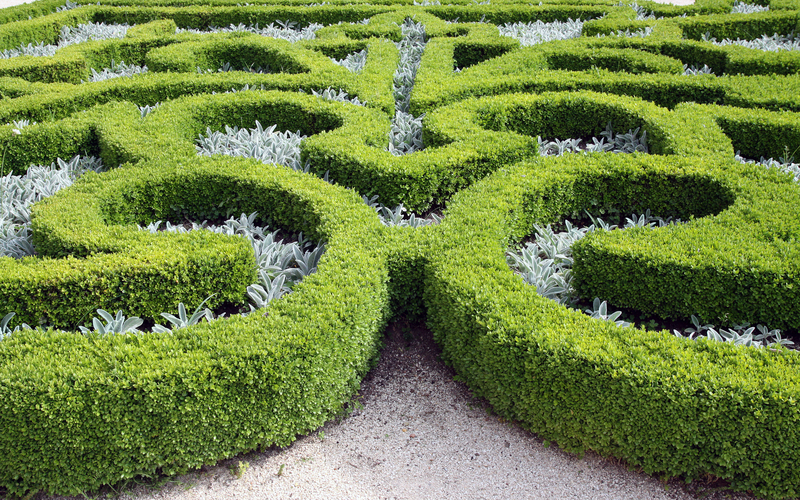
- Abstract forms, such as cubes within spheres or interlocking rings.
- Integration with hardscaping--hedges trailing over walls or around sculptures.
- Using multi-colored or flowering species for seasonal interest.
The internet and social platforms now showcase global trends in creative hedge trimming, inspiring beginners and professionals alike.
Imaginative Hedge Trimming for Small Gardens
Not everyone has acres of land, but even petite garden spaces can enjoy inventive hedge shaping. Consider:
Mini-topiaries: Grow boxwood or holly in containers and shape them on a small scale.
Living green "sculptures": Make your balcony or patio pop with a single spiral or lollipop form.
Low hedging: Edging a flowerbed with a scalloped or wave-cut box hedge gives a designer touch.
Inspiring Hedge Trimming Projects
- Family monograms: Carve your initials into low hedges for a personal accent.
- Garden animals for children: Create a flock of birds or rabbits for a playful atmosphere.
- Seasonal centerpieces: Try a heart-topiary for weddings or a star for holiday displays.
Conclusion
Imaginative hedge trimming is an accessible, rewarding way to bring personality and artistry to your outdoor space. With the right plants, tools, and a little creativity, both beginners and seasoned gardeners can create living green masterpieces that delight for years to come. Whether you prefer classic geometric lines, fanciful animal shapes, or avant-garde designs, start planning your next hedge trimming adventure and let your imagination take root!
Frequently Asked Questions
- Q: What is the best time to trim hedges into shapes?
A: Early to mid-summer, when plants are growing vigorously, but most shaping should be finished before late summer to prevent frost damage. - Q: How often should I trim for intricate forms?
A: Every 3-6 weeks during the growing season, depending on species and desired precision. - Q: Can any hedge plant be trimmed into imaginative shapes?
A: While many can, evergreens with small, dense leaves yield the best results.
Begin your journey in imaginative hedge trimming today, and transform your garden into a showcase of living artistry!
Latest Posts
Creating Cozy Garden Seating Areas for Outdoor Bliss
Starting a Garden Makeover: Tips for Neglected Spaces
Elevate your green thumb skills with container gardening
Hedge trimming: imaginative shapes and methods
Winter Plant Protection: Shielding Your Flora from the Frost